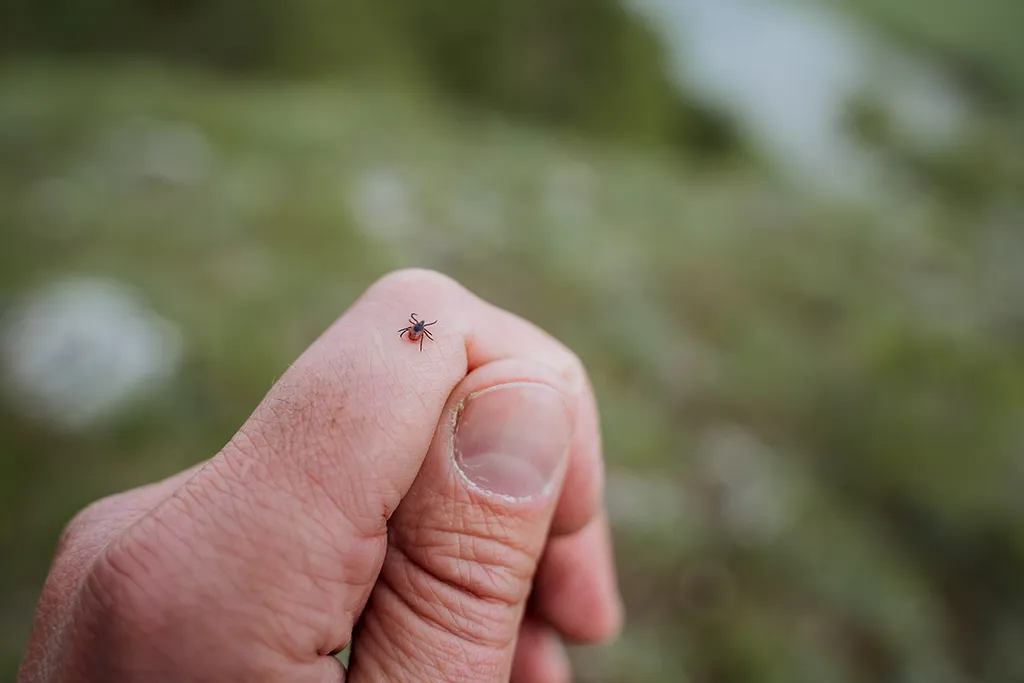
No one wants to spend their summer worrying about ticks.
These tiny pests can spread vector-borne illnesses like Lyme disease. Just one bite is enough for these diseases to spread. That's why having a tick control plan in place is crucial for homeowners.
Knowing when to schedule your tick treatments is key and can help you enjoy your outdoor spaces without worrying about tick exposure. Begin treatments early, before tick populations surge. Also, get steady coverage during their active seasons.
The Worst Time of Year for Ticks
In Southampton, ticks are most active from early spring to late fall. They usually become active when temperatures are above 45°F.
Warmer weather and more outdoor activity make this time risky for tick encounters. So unfortunately, ticks thrive in the same conditions that attract people outside.
Across most of the United States, tick activity follows a predictable pattern:
- Early Spring (March-April): Adult ticks that survived winter emerge, hungry and searching for hosts
- Late Spring/Early Summer (May-June): Nymphs (the most dangerous life stage) reach peak activity
- Fall (September-November): A second wave of adult activity occurs as ticks prepare for winter
Deer and Dog Tick Season
Need Pest Service?

At East End Tick & Mosquito Control®, we’re always ready to help you with your pest control needs. Contact us for a free, no obligation quote, or call us at 631-287-9700 to get started today.

Need Pest Control Service?
Leave your information below and we’ll be in touch shortly. After hours calls will be returned the next business day.
Deer ticks, or black-legged ticks, and dog ticks (also known as American dog ticks), are two of the most concerning species.
Deer ticks are the main carriers of Lyme disease. They have two peak activity times. The first is in late spring and early summer when nymphs are active. The second is in the fall when adults look for their last blood meal.
Dog ticks, on the other hand, are most active from early spring through late summer. These larger ticks are easier to spot but can still transmit diseases like Rocky Mountain spotted fever.
How to Handle Peak Tick Season in Southampton
When peak tick season hits in Southampton, it’s crucial to protect your family and pets.
Traditional repellents and DIY solutions often don’t work well to reduce tick populations. Essential oils are a popular natural tick treatment. However, they haven't been proven effective. Also, using them incorrectly can lead to safety issues, like allergic reactions.
It's best to let experts handle tick control. They use special treatments with polymer layers. These layers protect the active ingredient from weather and watering.