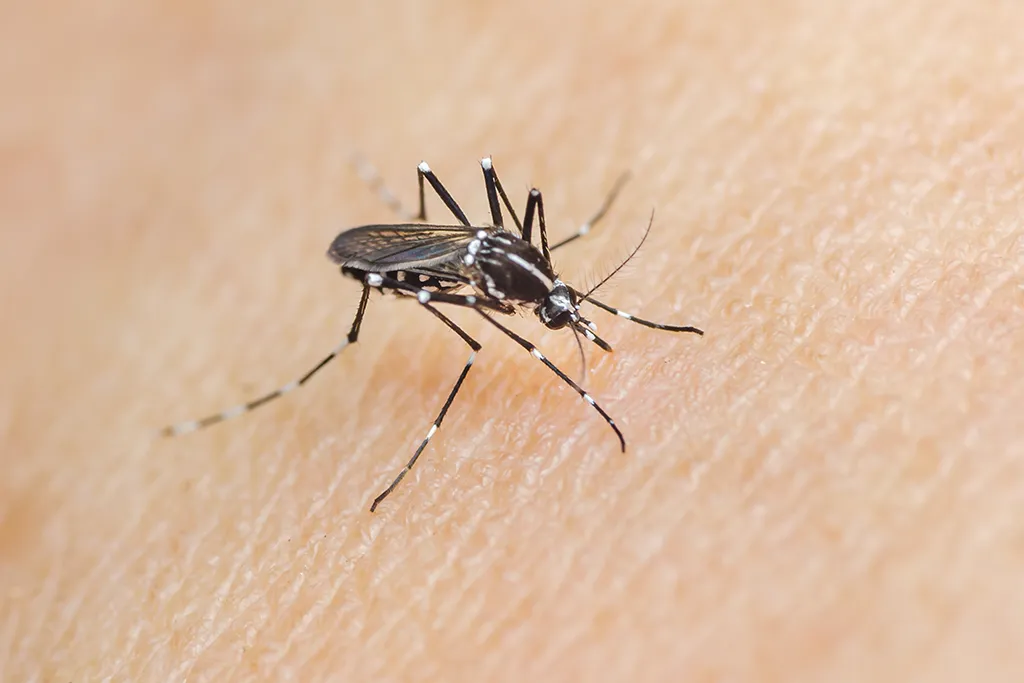
Mosquitoes are infamous for spreading serious diseases across the globe. Every year, vector-borne illnesses claim over 700,000 lives. While tropical and subtropical regions face the highest risk, these diseases are a concern worldwide. Some of the most common mosquito-borne diseases include:
- Malaria
- Dengue
- Schistosomiasis
- Chagas Disease
- Yellow Fever
- Zika Virus
- Rift Valley Fever
- West Nile Fever
What Diseases Can Mosquitoes Spread in Southampton?
The United States is home to over 200 mosquito species, but only around 12 of them can spread disease. Outbreaks tend to happen mostly in Florida, Texas, Puerto Rico, Hawaii, and the US Virgin Islands. Most malaria cases in the U.S. are seen in travelers returning from tropical regions. The majority of mosquitoes we see daily are nuisance species that do not carry disease. These mosquitoes are more of an annoyance than a health threat.
What Types of Mosquitoes Can Transmit Disease?
Aedes, Culex, and Anopheles mosquitoes are the primary species known for transmitting diseases. Each of these groups contains multiple species with unique habits. Understanding which species are present in your area can help reduce the risk of illness. These mosquitoes have specific breeding and feeding patterns that influence disease spread.
What are the Symptoms of Mosquito-Borne Diseases?
Most bites from mosquitoes only cause minor irritation. However, some bites may signal something more serious. Watch for symptoms that indicate vector-borne diseases, which can include:
- Rash: A rash can appear as red, blotchy patches on the skin and may indicate an allergic reaction or infection from a mosquito-borne disease.
- Severe Headaches: Intense headaches often accompany mosquito-transmitted illnesses and can be a sign that medical attention is needed.
- Muscle Tremors or Seizures: Some mosquito-borne diseases can affect the nervous system, causing muscle tremors or even seizures in severe cases.
- Nausea or Vomiting: Feeling nauseated or vomiting may occur as the body reacts to toxins introduced by a mosquito bite or an infection.
- Confusion: Sudden confusion or difficulty concentrating can be a warning symptom of a serious mosquito-borne illness.
- Stiff Neck: A stiff neck, sometimes accompanied by pain, can signal infections such as encephalitis or meningitis transmitted by mosquitoes.
- Sudden High Fever: A rapid onset of a high fever is a common indicator that the body is fighting an infection, possibly from a mosquito bite.
If you experience any of these symptoms after a mosquito bite, seek medical attention at your nearest hospital right away.
Can HIV or AIDS Be Spread by Mosquitoes?
Need Pest Service?

At East End Tick & Mosquito Control®, we’re always ready to help you with your pest control needs. Contact us for a free, no obligation quote, or call us at 631-287-9700 to get started today.

Need Pest Control Service?
Leave your information below and we’ll be in touch shortly. After hours calls will be returned the next business day.
Mosquitoes are well known for spreading serious illnesses, but HIV and AIDS are not among them. Mosquitoes only carry diseases they acquire from infected hosts. So what occurs when a mosquito bites someone who is HIV-positive? The following points explain why transmission does not happen:
- Not Capable of Infection: Mosquitoes are unable to become infected with HIV and therefore cannot transmit the virus.
- Proboscis Structure: A mosquito’s proboscis contains two tubes. One draws blood from the host, while the other injects saliva. Since only saliva enters the host, HIV cannot be transmitted through a bite.
- Insufficient Virus Amount: Even if a mosquito were to carry HIV in its body, the virus quantity would be too low to cause infection. The virus also disappears from the mosquito within one or two days.
Can Mosquitoes Transfer Blood?
Even though mosquitoes feed on blood, they do not return it to you. Their proboscis, which has two separate tubes, keeps the process completely separate: one tube injects saliva and the other draws blood. This separation prevents the transmission of HIV. Any HIV-positive blood the mosquito ingests cannot be passed along to another host. Mosquitoes’ feeding mechanism makes them ineffective carriers of blood-borne viruses.
How Long Does HIV Survive in a Mosquito?
Mosquitoes that feed on an HIV-positive person will only carry the virus for one or two days, the duration needed to digest the blood. Because HIV cannot replicate in the mosquito’s gut, it is destroyed during this process. Unlike humans, where HIV attacks T cells, mosquitoes simply digest and neutralize the virus. This ensures that HIV cannot spread through mosquito bites.
Protecting Yourself from Mosquito Diseases
Bottom line: mosquitoes cannot transmit HIV. Studies show it would take about 10 million bites from mosquitoes that fed on an HIV-positive person to pass even a trace of the virus. Instead of worrying about HIV, it’s far more important to focus on the other dangerous diseases mosquitoes are known to carry. Staying informed about these vector-borne illnesses is key to protecting yourself.
If mosquitoes are present on your property, reach out to East End Tick & Mosquito Control®, the professional mosquito exterminators, right away.