
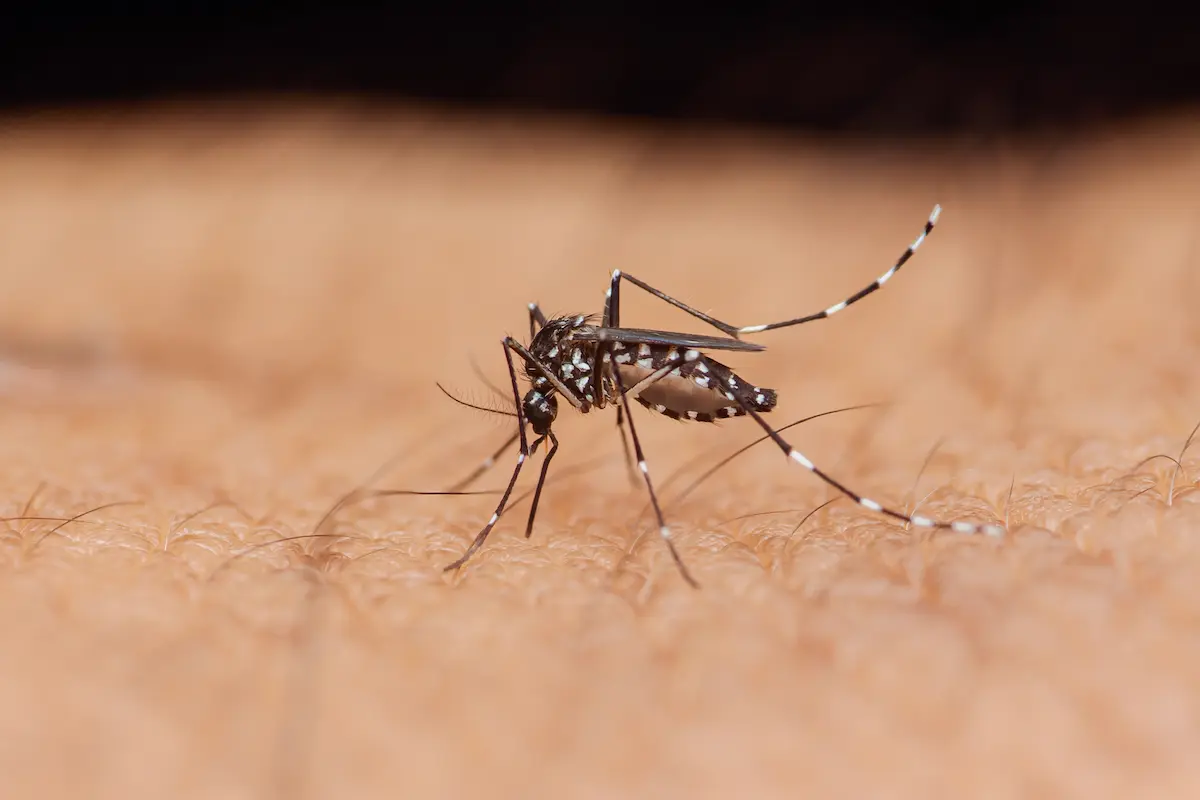
Dengue fever has been making headlines lately, with growing discussion about whether it could appear in the United States. For residents of Southampton who are feeling uneasy about the possibility of Dengue fever reaching the area, there is some reassuring news. The overall risk remains very low based on current data and monitoring efforts. Staying informed can help separate real concerns from unnecessary worry.
Feeling concerned is completely understandable, which is why East End Tick & Mosquito Control® has put together this guide. It is designed to share clear and reliable information about Dengue fever, including how it spreads and what factors influence risk.
What Causes the Spread of Dengue Fever?
Dengue fever is mainly spread through the bite of an infected Aedes mosquito. It cannot pass directly from one person to another, which is a common misconception. These mosquitoes are most active during the daytime, especially in warm, humid conditions. Instead, a mosquito becomes infected after biting someone who has Dengue. That mosquito can then transmit the virus to others, allowing the cycle to continue in affected areas.
What Is Dengue Fever and How Does It Affect People?
Dengue fever is widespread in more than 100 countries throughout Africa, the Americas, the Eastern Mediterranean, Southeast Asia, and the Pacific Islands. Each year, an estimated 100 to 400 million infections occur worldwide. Although many people experience mild or no symptoms, Dengue can still pose serious health risks. Around 500,000 cases develop into severe illness annually, resulting in approximately 40,000 deaths.
When symptoms do appear, they can range from mild to severe and may worsen rapidly. The symptoms of Dengue fever include the following:
- High Fever: Dengue fever often causes a sudden, high fever that can last several days and may come on quickly.
- Severe Headache: Many people experience intense headaches, often centered behind the forehead, that can be difficult to relieve.
- Pain Behind the Eyes: Eye pain is a common symptom and may become more noticeable when moving the eyes.
- Muscle and Joint Pain: Aches in the muscles and joints are frequent and can be severe enough to limit normal movement.
- Extreme Fatigue: Persistent tiredness or weakness is common and may continue even after other symptoms begin to improve.
- Nausea and Vomiting: Dengue can cause stomach upset, leading to nausea, vomiting, and a reduced appetite.
- Skin Rash: A blotchy or red rash may appear two to five days after the fever begins and can spread across different parts of the body.
- Bleeding Symptoms: Some individuals may experience mild bleeding issues, such as nosebleeds, bleeding gums, or easy bruising.
How Concerned Should You Be About Dengue Fever?
At present, the risk of Dengue fever transmission in the United States remains extremely low. In fact, a person is statistically more likely to win the lottery than to contract Dengue. This comparison helps put the overall risk into perspective for most people. In 2023, Florida recorded only two cases of locally transmitted Dengue.
While these cases are uncommon, they highlight how mosquito-borne illnesses can occasionally expand into new areas. Experts continue to study the reasons Dengue appears in places where it was not previously found. The CDC actively tracks Dengue fever cases in the United States and shares updated information with the public.
Your Local Mosquito Control Experts in Southampton
While Dengue fever continues to be a major health issue in many parts of the world, the risk of encountering it in Southampton is very low at this time. For residents concerned about mosquitoes near their homes, contacting East End Tick & Mosquito Control® for professional mosquito control services is a smart step.
We work to protect your property and provide peace of mind with our effective mosquito prevention strategies. Our goal is to keep your family and community safe from mosquito-borne diseases.
Schedule service with East End Tick & Mosquito Control® today for effective mosquito and pest control.