Key Takeaways
- Lyme disease is serious, but not every tick carries or transmits it.
- Early diagnosis and treatment are highly effective for most people.
- Symptoms can include rash, fever, fatigue, headache, and joint aches.
- Checking for ticks and removing them promptly can reduce infection risk.
- Professional tick control can help reduce tick activity around your property.
If you live in an area where ticks are common, you have probably heard plenty of warnings about Lyme disease. But how serious is Lyme disease, and how concerned should you be about a tick bite? While not every tick carries Lyme disease and not every tick bite results in illness, Lyme disease is a serious tick-borne infection that should not be ignored.
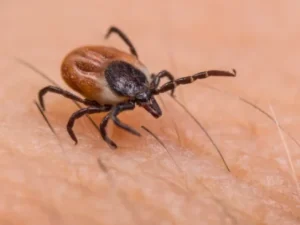
Lyme disease is caused by bacteria called Borrelia burgdorferi and is primarily spread through the bite of infected blacklegged ticks, also known as deer ticks. It’s particularly common in the Northeast, making tick awareness important for families throughout Eastern Long Island and the Hamptons.
East End Tick & Mosquito Control® helps property owners reduce tick activity around their homes and outdoor living areas as part of a comprehensive approach to tick prevention.
What Is Lyme Disease?
Lyme disease is a bacterial infection that can affect different parts of the body. When diagnosed and treated appropriately, most people recover from Lyme disease with antibiotics. However, untreated Lyme disease can spread and lead to more serious problems involving the joints, heart, and nervous system.
That does not mean you should panic every time you find a tick. The important thing is to remove attached ticks promptly, monitor yourself for symptoms, and talk with a healthcare provider if you develop signs of illness after a possible tick exposure.
What Are the Symptoms of Lyme Disease?
Lyme disease symptoms can vary and may develop days or weeks after a tick bite. Common symptoms can include:
- Rash: An expanding red rash called erythema migrans is a common early sign. It can have a target or bull’s-eye appearance, although it does not always look that way.
- Fever and Chills: Flu-like symptoms may develop during the early stages of infection.
- Headache and Fatigue: Persistent headaches and unusual tiredness are common symptoms.
- Muscle and Joint Aches: Lyme disease can cause aches and pains, and untreated infection may eventually lead to arthritis.
- Swollen Lymph Nodes: Some people experience swollen lymph nodes as their body responds to the infection.
Later symptoms can include severe joint pain and swelling, facial paralysis, nerve pain, numbness or tingling, an irregular heartbeat, and other neurological or cardiac complications.
If you develop symptoms after a tick bite or after spending time in an area where Lyme disease is common, contact your healthcare provider.
Who Is Most at Risk?
Anyone who spends time where ticks are present can be bitten. You may have a greater chance of encountering ticks if you frequently spend time in wooded, brushy, or grassy areas. Gardening, hiking, walking pets, playing outdoors, and even spending time in your own yard can bring you into contact with ticks.
Children may also spend considerable time playing outdoors, making regular tick checks especially important for families.
How Can I Protect My Family From Lyme Disease?
The best way to reduce your risk of Lyme disease is to prevent tick bites and remove attached ticks as soon as possible. A few practical precautions can make a significant difference:
- Wear long pants and long sleeves when walking through wooded, brushy, or grassy areas.
- Use an EPA-registered insect repellent according to its label directions.
- Check yourself, your children, and your pets for ticks after spending time outdoors.
- Shower soon after coming inside and inspect clothing and gear for ticks.
- Keep grass mowed and remove leaf litter, tall grasses, and brush around your property.
- Consider professional tick control to reduce tick activity in areas around your home.
The risk of Lyme disease generally increases the longer an infected blacklegged tick remains attached, so finding and removing a tick promptly can help reduce the risk of infection.
So, Should I Be Concerned About Lyme Disease?
Lyme disease is certainly something to take seriously, but there is no reason for panic. Not every tick carries Lyme disease, and early diagnosis and appropriate treatment are highly effective for most people.
The best approach is to stay aware, check for ticks after spending time outdoors, remove attached ticks promptly, and talk with your healthcare provider if you develop concerning symptoms. Around your home, reducing tick habitat and using professional tick control can provide another layer of protection.
Protect Your Property From Ticks with East End Tick & Mosquito Control®
You cannot eliminate the possibility of encountering a tick, especially in an area where ticks are established. However, professional tick control can help reduce tick activity in the areas where your family spends time outdoors. Ticks are a fact of life in Eastern Long Island and the Hamptons, but that does not mean you have to simply accept them in your yard.
East End Tick & Mosquito Control® can inspect your property and develop a targeted tick control program designed to address areas where ticks are most likely to be found. Reducing tick activity around your home and outdoor living areas can be an important part of a broader approach to protecting your family from tick bites and tick-borne diseases.
Contact East End Tick & Mosquito Control® today to learn more about protecting your property from ticks.