Key Takeaways:
- Long Island’s unique coastal environment supports several distinct mosquito species that remain highly active and aggressive well into the night.
- Specific architectural and landscaping features common to East End properties inadvertently create ideal nocturnal staging grounds and daytime resting zones for these pests.
- Open windows and outdoor lighting setups can actively draw certain species directly toward sleeping or socializing residents.
- Natural lunar and tidal cycles directly influence breeding surges and flight navigation patterns on the East End.
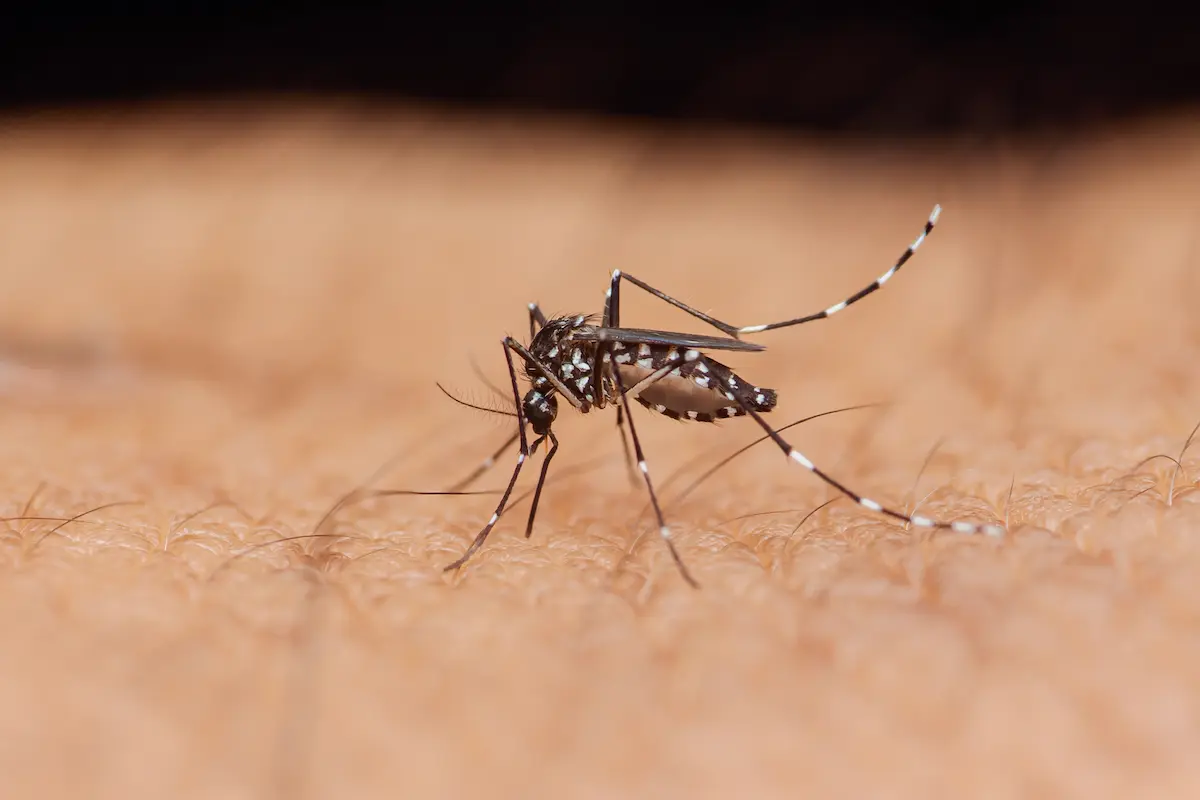
Yes, mosquitoes are active after dark across Long Island’s East End. While some species like the Asian tiger mosquito hunt during the day, Long Island is heavily populated by nocturnal and opportunistic mosquitoes, including Culex mosquitoes and Eastern Saltmarsh mosquitoes.
Mosquitoes like to avoid the dehydrating heat of the daytime sun and use the cover of darkness to look for food. Many common mosquito species are crepuscular, meaning they peak exclusively during the twilight hours of dawn and dusk. However, Long Island’s unique coastal climate allows specialized nocturnal species to take over when darkness falls. Because the East End’s coastal marshes, ponds, and thick woods provide ideal breeding grounds, the risk of mosquito bites remains high at all hours – including throughout the night.
By knowing about when and where mosquitoes are most active in your area, you can better protect yourself from their bites. Read on to learn more with the mosquito experts at East End Tick & Mosquito Control®.
Nighttime Mosquito Activity
Here on Long Island, at the height of our spring and summer warmth, mosquitoes can be a 24-hour nuisance. Because Long Island is home to five distinctly different mosquito species, your property faces different threats depending on the hour.
This is exactly who is biting after dark:
| Species | Primary Habitat | Peak Activity Period | Nighttime Behavior | Risk Level to Humans |
| Northern House Mosquito (Culex pipiens) | Stagnant freshwater, catch basins, birdbaths, residential puddles. | Dusk to Dawn (Strictly Nocturnal) | Active hunter in total darkness. Actively seeks gaps in window screens to enter homes and bite sleeping hosts. | High (Primary vector for West Nile Virus) |
| Eastern Saltmarsh Mosquito (Aedes sollicitans) | Coastal salt marshes, tidal pools (common in Southold, Montauk). | 24-Hour Opportunistic (Day & Night) | Aggressive, relentless biter. Will travel long distances from marshes at night if wind dies down to hunt in coastal neighborhoods. | High (Severe nuisance, painful bites) |
| Inland Floodwater Mosquito (Aedes vexans) | Temporary rain pools, ditches, flooded woodland areas. | Dusk to Dawn (Strictly Nocturnal) | Emerges in massive swarms after heavy rains once darkness falls. Highly attracted to artificial porch and yard lights. | Moderate (Aggressive biter, rarely carries disease) |
| Brackish Water Mosquito (Culex salinarius) | Salt marshes, coastal brackish ditches, swampland. | Dusk to Night | Targets mammals and birds heavily from sunset through the midnight hours. Excellent flyer compared to other species. | Moderate (Vector for West Nile) |
| Asian Tiger Mosquito (Aedes albopictus) | Artificial containers, flowerpots, clogged gutters, shaded yards. | Daytime Only (Diurnal) | Completely inactive. “Roosts” deep inside dense foliage or ground cover to rest and conserve moisture until sunrise. | High (Highly aggressive daytime biter) |
At East End Tick & Mosquito Control®, we’re always ready to help you with your pest control needs. Contact us for a free, no obligation quote, or call us at 631-287-9700 to get started today.

Leave your information below and we’ll be in touch shortly. After hours calls will be returned the next business day.
Can You Sleep with Windows Open – or Will Mosquitoes Bite?
Sleeping with your window open can be invigorating. Unfortunately, it can also lead to multiple itchy bites in the morning if you’re not careful. If you do want to sleep with the window open at night in your Long Island home, make sure the window has a screen.
Without a screen, nocturnal mosquitoes will be able to detect your scent and fly in for a late-night buffet. Did you know that mosquitoes can smell the CO2 in your breath when you exhale from over 100 feet away? That will lead them right to you.
Are Mosquitoes Attracted to Porch Lights?
Moths are strongly drawn to porch lights, but mosquitoes aren’t – not really. It can seem like they are, but it’s actually the warmth of the bulb and the CO2 in the breath of people sitting nearby that draw them in.
In other words, the light itself might not necessarily attract them, but people sitting near the light probably will.
What About Bug Zappers – Is a Bug Zapper a Good Solution for Mosquitoes at Night?
Not really. Traditional blue-light bug zappers may kill some mosquitoes, but it’s more likely to kill other insects like beetles and moths. Traditional bug zappers aren’t effective enough at drawing mosquitoes in. For best results, skip the technology-based solutions and focus on environmental factors and professional control services.
Is Mosquito Activity Affected by the Tides on Long Island?
Yes, believe it or not. This sounds like an urban myth, but it’s actually 100% true – and an important principle to understand when it comes to nighttime mosquito activity on Long Island. Spring tides during full moons and new moons flood the salt marshes of Southold and Montauk, triggering mass egg-hatching events.
Does the Moon Affect Mosquito Activity?
Yes, in addition to affecting the tides, the lunar cycle can influence mosquito activity. During a full moon when moonlight is at its brightest, flight activity may be increased as they can navigate more easily. With more mosquitoes flying, you’re also more likely to get bitten more often.
Where Are You Most Likely to Run into Mosquitoes at Night?
If you are spending an evening outdoors on the East End, you aren’t equally at risk everywhere on your property. Mosquitoes are weak fliers that struggle in open, windy areas. To survive the day and stage their nighttime attacks, they rely on specific microclimates that trap moisture and block the wind.
On Long Island, you are most likely to encounter heavy nighttime mosquito activity in these specific zones:
- The Hamptons Privet Hedges: The massive, dense privet hedges iconic to luxury properties in The Hamptons and Southold are a major mosquito vulnerability. Because these hedges are packed tight with foliage, they create a dark, humid, wind-protected canopy. Daytime biters like the Asian Tiger use them to “roost” and rest at night, while nocturnal species use them as a staging ground—resting in the shadows of the hedges right next to your patio, waiting for you to step outside.
- Perimeter Treelines and Overgrown Brush: Properties bordering the thick woods of Montauk or the North Fork act as natural buffers. As the sun sets and the air cools, nocturnal mosquitoes leave the deep woods and move inward toward residential lawns in search of a meal.
- Low-Lying Turf and Ground Cover: Areas covered in dense English ivy, pachysandra, or tall ornamental grasses retain dew and moisture long after the sun goes down. Mosquitoes will hover just inches above these ground covers at night, ready to strike at ankles and legs.
- Stagnant Micro-Pools: Even a tiny amount of water trapped in a pool cover, the base of a modern outdoor sculpture, or unmaintained gutters will attract nocturnal Northern house mosquitoes looking for a place to lay their eggs under the cover of darkness.
Protect Your Hamptons Property This Summer – Call Us for Mosquito Barrier Treatment
If you are dealing with endless mosquito problems at night, it’s time to enlist the help of your local mosquito control experts. At East End Tick & Mosquito Control®, our team will implement highly effective mosquito treatments like barrier treatments. We also offer short-notice party spraying treatments for when you have an outdoor event coming up and need a little extra support.
Ready to say goodbye to mosquito problems all summer long – even at night? Contact us today to get started!