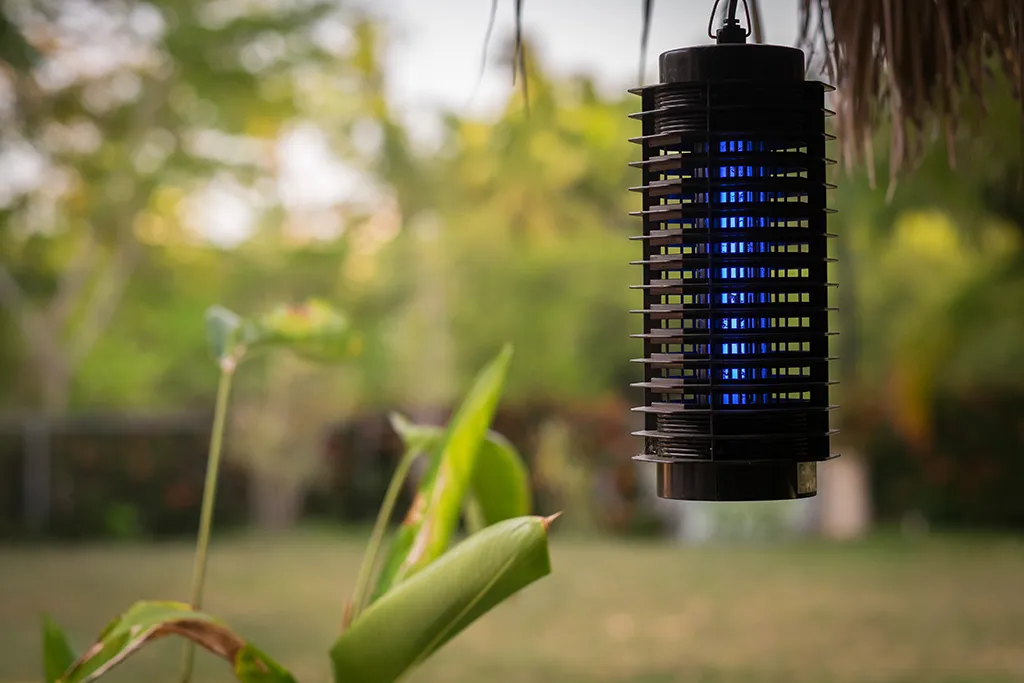
Mosquito traps are a proven method for reducing nuisance mosquito populations. Modern traps are designed to attract not only adult mosquitoes but also egg-laying females, helping to curb future generations. With many options available, these traps can make a noticeable difference in mosquito activity around your yard. Using traps alongside other preventive measures increases overall effectiveness.
How Do Mosquito Traps Actually Work?
Mosquito traps come in a variety of types, each offering different levels of effectiveness. Here’s what you should know about the basics:
- Attracting the Right Mosquitoes: Most traps focus on drawing in female mosquitoes, as they are the ones that bite humans and animals.
- Copying Human Cues: Traps mimic the scents or signals mosquitoes use to locate blood meals, effectively luring them in.
- Common Attraction Methods: Carbon dioxide, heat, fragrances, and light are the main signals mosquito traps use to pull insects toward them.
- Different Ways to Trap: Traps capture mosquitoes using various techniques, including fans, electrocution grids, or sticky surfaces.
- Reducing Mosquito Numbers: These lures and trapping methods combined help lower mosquito populations around your home or yard.
How Do Carbon Dioxide Mosquito Traps Work?
Mosquitoes are naturally attracted to carbon dioxide, a gas produced in human and animal breath. Carbon dioxide mosquito traps imitate this scent by releasing CO2, drawing in mosquitoes. Once inside the trap, the insects cannot escape, whether they are caught on a sticky surface, sucked in by a fan, or electrocuted. These traps primarily target female mosquitoes to reduce breeding and control the overall population. Using CO2 traps alongside other prevention methods can improve backyard mosquito control.
Are Mosquitoes Drawn to Light Sources?
Most mosquitoes are on the move at dawn and dusk, when the sun is just rising or setting. In the daytime, they prefer shaded or sheltered areas to avoid heat. Mosquitoes don’t perceive light like humans do and often navigate using moonlight and starlight. Bright outdoor lights can confuse them, helping to keep them away from your living spaces.
Will Ultraviolet or LED Lights Attract Mosquitoes?
While many insect traps on the market use lights to lure bugs, mosquitoes aren’t drawn to them. They are not attracted to ultraviolet, LED, or standard lights. This is because mosquitoes primarily navigate by carbon dioxide and body heat rather than visual cues. LEDs, especially, give off less heat, which makes them even less appealing to mosquitoes.
At East End Tick & Mosquito Control®, we’re always ready to help you with your pest control needs. Contact us for a free, no obligation quote, or call us at 631-287-9700 to get started today.
Leave your information below and we’ll be in touch shortly. After hours calls will be returned the next business day.
Can Mosquitoes Be Drawn to Specific Colors?
One effective method to keep mosquitoes away is to choose brightly colored clothing. Dark shades like black, gray, or red tend to attract insects, making it easier for them to locate you. Wearing darker clothes also traps body heat, which increases the release of your natural scent. Opting for light colors such as white, beige, or khaki can naturally repel mosquitoes. Lighter clothing not only discourages bites but also keeps you cooler by reflecting sunlight.
Can You Use Light to Keep Mosquitoes Away?
Although certain types of light can deter some insects, mosquitoes are not strongly attracted to or repelled by light. They mainly use light sources to navigate while flying. This means bug lights or special bulbs sold in stores are unlikely to solve your mosquito problem. For the best results, consult a professional pest control expert to make your property less inviting to mosquitoes. Taking expert advice ensures the most effective mosquito control.
Expert Mosquito Control in Southampton
For the best results in controlling mosquitoes, rely on the knowledge of your local mosquito exterminators at East End Tick & Mosquito Control®. We understand the species common in Southampton and can suggest the most efficient traps. Our experts can also identify breeding hotspots you might not notice. Using our guidance will help reduce mosquito populations faster and more reliably.


